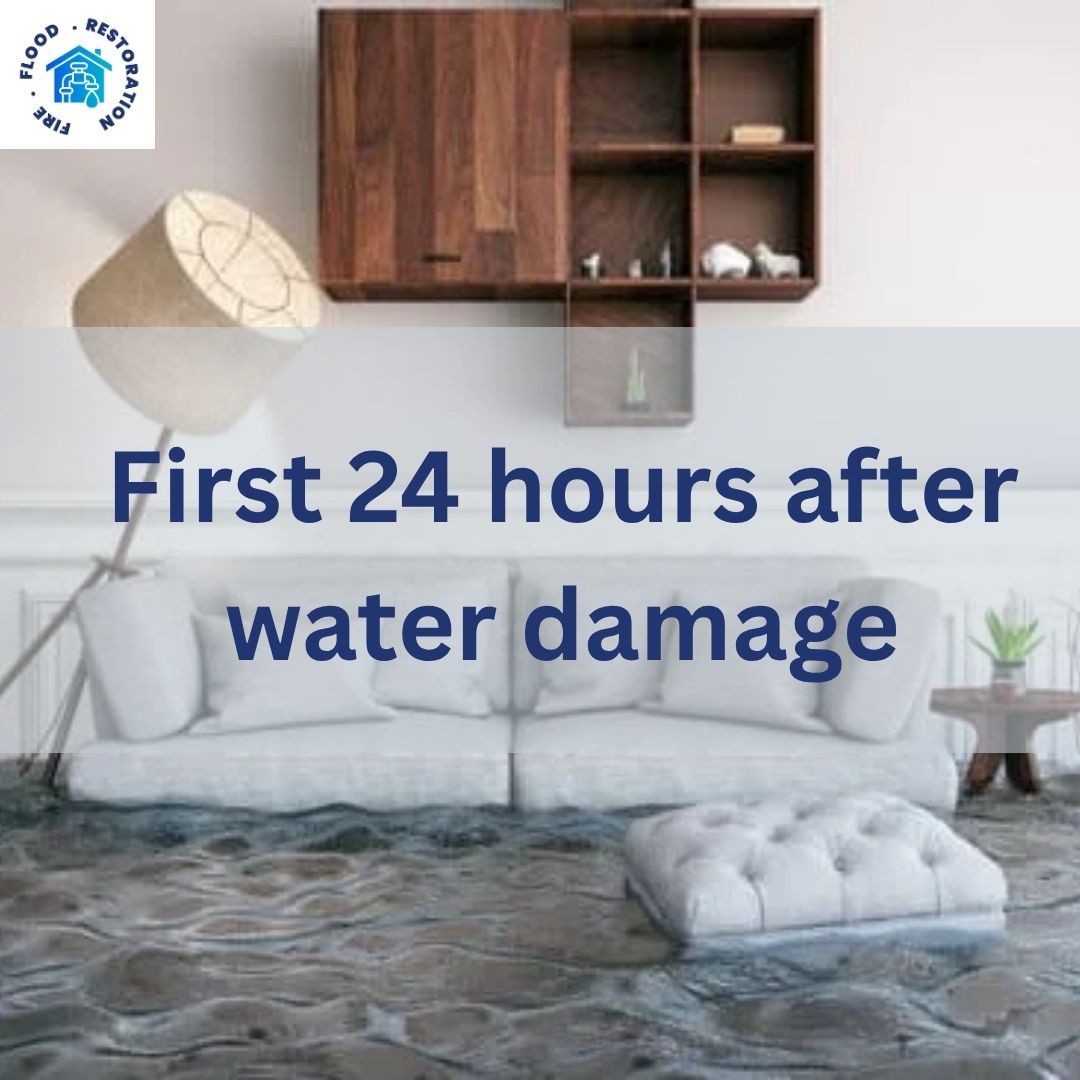

What to Do in the First 24 Hours After Water Damage in Your Cape Town Home
Water damage rarely picks a convenient time. A cold front floods the passage at 2am, a geyser gives up on a Sunday, or a pipe bursts behind a wall while you are at work. What you do in the first 24 hours after water damage decides how far the water spreads, how much you can save and whether mould takes hold. This guide gives Cape Town homeowners and tenants a clear plan, from the first five minutes to the moment a drying team arrives.
The first 24 hours at a glance
| When | Priority | What to do |
|---|---|---|
| 0 to 30 minutes | Safety | Keep everyone away from water near plugs and wiring. Switch off power at the DB board only if the board and the floor around it are dry. |
| 30 to 60 minutes | Stop the source | Close the main water valve or the geyser isolator. If rain is coming in, block the entry point as best you can. |
| 1 to 3 hours | Document | Photograph and film every affected room, your belongings and the source of the water. |
| 1 to 3 hours | Report | Call your insurer, landlord or body corporate, and a plumber if the source is on your property. |
| 3 to 8 hours | Remove water | Mop, squeegee or extract standing water. Lift furniture, rugs and valuables off wet floors. |
| 8 to 24 hours | Dry out | Ventilate when it is not raining, run fans or dehumidifiers if the power is safe, and book a professional moisture survey. |
Step-by-step: what to do after water damage in Cape Town
- Put safety first. Wear gloves and waterproof boots. If the water is dark, smells like sewage or came in from outside, treat it as contaminated and keep children and pets out. Stay out of any room with a sagging ceiling.
- Switch off the electricity. If your DB board is dry and you are not standing in water, switch off the affected circuits or the whole board. If the board is wet, do not touch it. Call a qualified electrician instead. If a geyser has burst, switch it off at the board straight away.
- Stop the water at the source. For a burst pipe, close your main stop valve. For a burst geyser, close the isolating valve and switch off the power. If the leak is on the municipal side of your water meter, it is the City’s job to fix it, so report it. If the water is rain or runoff, move quickly to block doorways and low gaps with towels, plastic or sandbags.
- Document before you clean. Take wide photos of each room, then close-ups of the waterline, damaged walls, floors and belongings. Film a short walk-through. Write down what was damaged. Keep ruined items until your insurer has seen the evidence.
- Contact your insurer, landlord or agent. Most insurers expect prompt notice and want you to limit further damage. If you rent, the landlord or agent is responsible for fixing the source of the leak and making the property habitable.
- Remove standing water and wet contents. Use mops, a squeegee or a wet vacuum for shallow water. Prop mattresses and upholstery up off the floor, pull rugs out and lift curtains off wet carpet. Deep water, or anything involving sewage, is a job for a professional extraction team.
- Start drying safely. Open windows and doors between showers to move damp air out. Run fans and dehumidifiers once the power is confirmed safe. Never run a petrol generator or a gas heater indoors, because of carbon monoxide.
- Call a restoration professional. Water travels. It moves under floors, behind cupboards and up into plasterboard, so a surface that feels dry can still be wet inside. A moisture survey uses meters to find that hidden damp before it turns into mould or warped floors. If you are unsure how far the water has spread, call early rather than late.
What not to do
- Do not touch switches, plugs or appliances while standing in or near water.
- Do not use a normal household vacuum on water.
- Do not throw damaged items away before photographing them.
- Do not paint, re-carpet or close up wet walls and ceilings.
- Do not assume dry to the touch means dry.
What can be saved?
| Item | Usually salvageable? | What to do |
|---|---|---|
| Fitted carpet (clean water) | Often, if dried fast | Extract water and lift it for drying within 24 to 48 hours |
| Soaked mattress or sofa | Often not | Raise it off the floor and ask a professional to assess it |
| Solid wood furniture | Usually | Dry it, clean it and keep it out of direct heat |
| Wet plasterboard or insulation | Often not | Have it checked, as it may need to be removed |
| Electronics and appliances | Unknown | Do not switch them on until they have been checked |
Who to call in Cape Town
| Situation | Who to call |
|---|---|
| Danger to life or major flooding | City of Cape Town disaster management: 107 from a landline or 021 480 7700 from a cell |
| Leak or burst pipe on the municipal side | City of Cape Town: 0860 103 089 |
| Burst pipe or geyser on your property | A registered plumber |
| Cover and claims | Your insurer, broker or landlord |
| Water extraction, drying and restoration | Rapid Restore 247: 067 918 2758 |
Why the first 24 hours matter so much
Mould can begin to grow within 24 to 48 hours in warm, damp conditions. Cape Town’s cold, humid winters slow natural drying, so a wet wall or carpet can stay damp far longer than you would expect. The sooner the moisture is removed, the less likely you are to face a musty smell, black patches or a bigger repair bill.
Why Choose Rapid Restore 247
When water is already in your home, you need people who answer the phone and arrive ready to work. Here is what you get with Rapid Restore 247:
- 24/7 emergency response across the City Bowl, Atlantic Seaboard, Northern Suburbs, Southern Suburbs, Blaauwberg, Helderberg and the South Peninsula.
- 10 years of experience in water extraction, flood damage cleanup, dehumidification and accelerated drying.
- One team for the whole job, from finding the moisture to drying the structure, with plumbing support for burst pipes, leaks and geysers.
- Clear communication. We explain what we find, what needs doing and what can be saved, in plain language.
Water in your home right now? Call 067 918 2758 and we will tell you what to do while we are on the way.
Frequently Asked Questions
How long does water damage take to dry?
It depends on how much water there was, which materials got wet and how well the space is ventilated. With professional drying equipment it usually takes several days. Without it, damp can linger for weeks, especially in winter.
Can I stay in my home after water damage?
Often yes, if the electricity is safe, the structure is sound and the water was clean. If sewage or storm runoff was involved, or if there is a sagging ceiling or an electrical risk, stay elsewhere until a professional has checked the property.
Does home insurance cover water damage in South Africa?
Many policies cover sudden events such as a burst pipe, a burst geyser or storm damage, but gradual leaks and poor maintenance are often excluded. Check your policy wording and call your insurer or broker early. Tenants should also ask their landlord about the building policy.
Should I switch off the electricity if my house floods?
Yes, but only if the DB board and the floor around it are dry. If the board is wet or you are standing in water, do not touch it. Call a qualified electrician.
When should I call a professional instead of drying it myself?
Call a professional if the water has been standing for more than a few hours, if it has spread beyond one room, if it was contaminated, or if you cannot get things dry within 24 to 48 hours.