

How Long Does It Take to Dry Out a Flooded Home?
A flooded home typically takes 3 to 5 days to dry properly with professional water extraction, air movers and dehumidifiers. Minor water damage may dry within 1 to 2 days, while severe flooding or moisture trapped inside walls, floors and other materials can take a week or longer.
The actual drying time depends on how much water entered the property, how quickly it was removed, which materials were affected and how much moisture remains hidden beneath surfaces.
If your Cape Town home has been flooded, don’t wait for it to dry naturally. The sooner water is extracted and active drying begins, the better the chance of limiting further damage and mould growth.
Estimated time
| Type of water damage | Typical drying time |
|---|---|
| Small surface leak | 1–2 days |
| Moderate water damage | 3–5 days |
| Extensive flooding | 5–7+ days |
| Deeply saturated walls, floors or structural materials | 1 week or longer |
These are general estimates rather than fixed deadlines. A professional restoration technician should monitor moisture levels in affected materials before deciding that the property is dry.
A floor can feel dry while moisture remains underneath it. The same can happen with carpets, walls, cupboards and wooden flooring.
What affects the drying time?
Several factors determine how quickly a flooded home can dry.
1. How much water entered the home
A small plumbing leak affecting one room is very different from several centimetres of floodwater covering multiple rooms.
More water means more moisture needs to be extracted from the property and from the materials that have absorbed it.
2. How quickly the water was removed
The sooner standing water is extracted, the sooner the drying process can begin.
If water remains on the floor for hours or days, porous materials can absorb more of it. This can increase the drying time and the amount of damage.
3. What materials were affected
Different building materials absorb and release moisture at different rates.
Carpets and underlay can hold large amounts of water. Wooden floors can absorb moisture into the boards and subfloor. Plasterboard can absorb water from the bottom upwards, while concrete may retain moisture below the surface.
This is why removing visible water does not necessarily mean the property is dry.
4. Temperature and humidity
Warm, dry conditions generally allow moisture to evaporate more easily.
Cold or humid conditions can slow the process. Cape Town’s weather varies significantly between seasons, so natural drying can be unpredictable.
5. How much moisture is trapped
Moisture can become trapped beneath flooring, inside walls, underneath carpets and in other areas that normal airflow cannot easily reach.
This hidden moisture is one of the main reasons a home can appear dry while still requiring further drying.
How do you dry out a flooded home?
Proper structural drying normally involves several stages.
Step 1: Extract standing water
The first priority is removing visible water from the property.
Depending on the amount of water, this may involve pumps, wet vacuums or professional extraction equipment.
The goal is to remove as much standing water as possible before focusing on moisture absorbed into building materials.
Step 2: Increase airflow
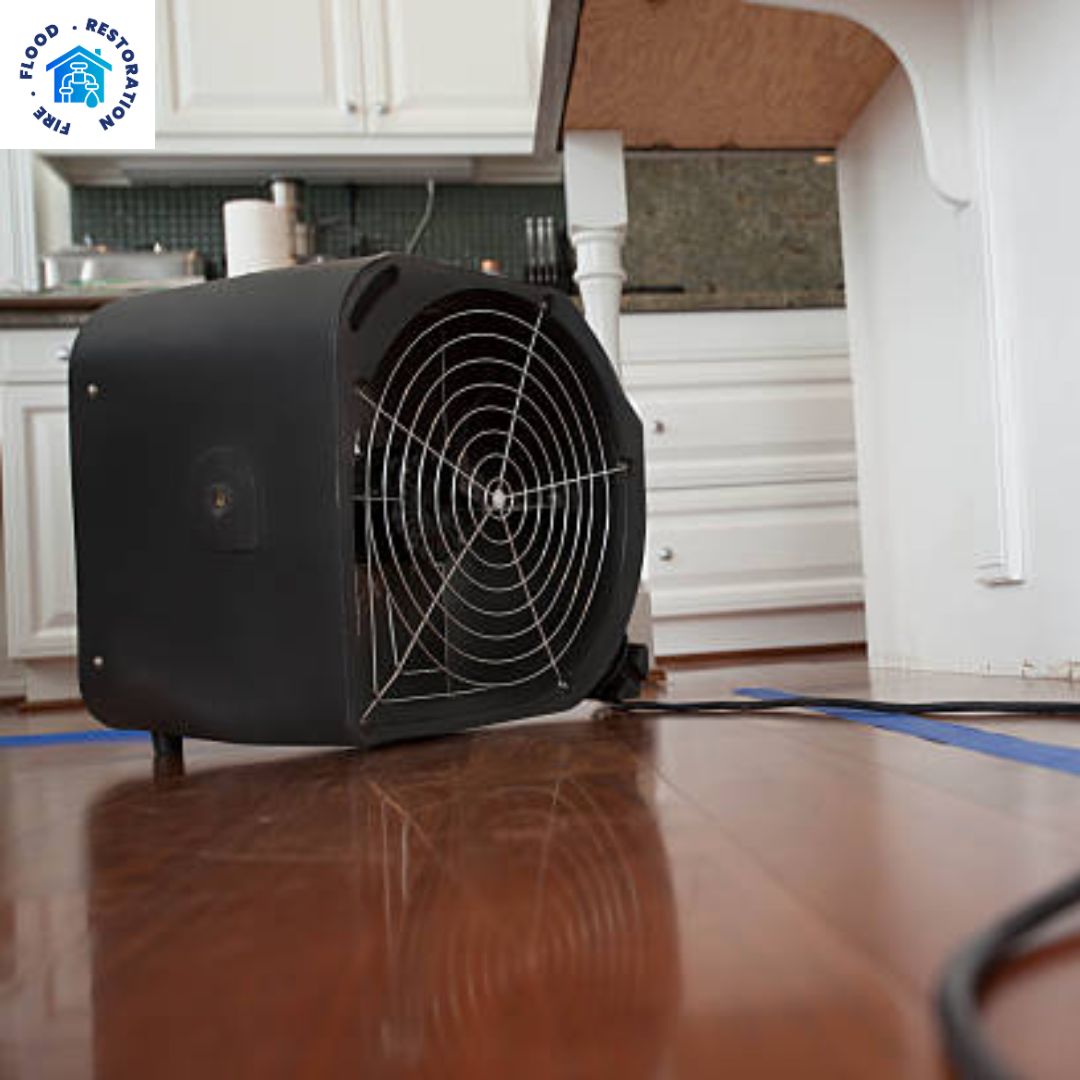
Air movers are positioned around affected areas to increase airflow across wet surfaces.
This encourages water to evaporate from carpets, floors, walls and furniture.
Step 3: Remove moisture from the air
As water evaporates, it enters the air as water vapour.
A dehumidifier removes this moisture from the air, helping maintain conditions that allow more water to evaporate from wet materials.
This is why professional drying is more than simply putting a fan in the affected room.
Step 4: Monitor moisture levels
Moisture meters can identify moisture that cannot be seen or felt.
Technicians can use these readings to determine where moisture remains and whether drying equipment needs to stay in place.
The equipment should not simply be removed because a carpet or floor feels dry.
Learn more about accelerated drying and dehumidification →
Do fans and dehumidifiers really help?
Yes, but they perform different jobs.
Fans and air movers increase airflow and encourage evaporation.
Dehumidifiers remove moisture from the air.
Using both together can create much more effective drying conditions than relying on natural ventilation alone.
A household fan may help with a small spill, but significant flooding usually requires more powerful equipment and controlled drying.
Solenco also recommends dehumidification when drying a flooded property and explains that controlling indoor humidity is important because moisture needs somewhere to go as it evaporates.
For larger water losses, professional drying equipment can move considerably more air and remove significantly more moisture than standard household equipment.
How do you know when a flooded house is dry?
You cannot reliably tell by touch alone.
A carpet may feel dry on the surface while its underlay is still wet.
A wooden floor may feel normal while moisture remains underneath the boards.
A wall may appear completely dry while moisture remains inside the wall cavity.
Professional restoration companies use moisture meters to check affected materials and monitor the drying process.
The objective is not to run drying equipment for a predetermined number of days. The objective is to reduce moisture to an appropriate level throughout the affected materials.
This is particularly important after significant flooding because hidden moisture can cause problems after the visible damage appears to have disappeared.
Why should a flooded home be dried quickly?
Leaving a property wet for too long can increase the risk of secondary damage.
Prolonged moisture can contribute to:
- Mould growth
- Musty smells
- Swollen flooring
- Warped wood
- Damaged skirting boards
- Peeling paint
- Deteriorating plasterboard
- Damage to furniture and belongings
Mould can begin developing within a few days when moisture and other conditions are suitable, so delaying the drying process is not recommended.
The longer materials remain saturated, the harder they can be to restore.
Fast water extraction followed by controlled drying can help limit the damage.
How long does it take to dry different parts of a home?
Carpets
Carpets can sometimes be dried within a few days if water is extracted quickly and the carpet and underlay are suitable for restoration.
The type of water matters too. Carpet affected by clean water from a contained plumbing leak may be treated differently from carpet soaked by sewage or outside floodwater.
Wooden floors
Wood absorbs water and can swell, warp or change shape.
Drying wooden flooring may therefore take several days or longer, particularly when moisture has reached the subfloor.
Walls
Walls can take several days to dry, particularly when plasterboard, insulation or wall cavities have become saturated.
Heavily damaged materials may need to be removed to allow the structure behind them to dry properly.
Concrete floors
Concrete can hold moisture below the surface even when it feels dry.
Moisture testing is therefore useful when determining whether drying is complete.
Does Cape Town weather affect drying time?
Yes.
Cape Town experiences different types of flooding, including stormwater flooding, flash flooding, coastal flooding, ponding and flooding associated with rivers and drainage systems. The City of Cape Town advises residents to take precautions around floodwater and electrical hazards.
Weather conditions also affect natural evaporation.
A warm, dry day may help a property dry more quickly, while cool or humid conditions can slow natural drying.
For this reason, homeowners should not rely on Cape Town’s weather to dry a flooded property. Controlled extraction and dehumidification provide a more reliable approach.
The source of the water also matters. Water from a burst internal pipe is different from water that has entered the home from outside flooding or a sewage backup.
Contaminated floodwater can contain sewage, chemicals, bacteria and debris and should be handled with appropriate precautions.
Can you dry a flooded house yourself?
For a small amount of clean water, DIY drying may be possible.
You might be able to deal with a minor leak by removing the water, increasing airflow and using a suitable dehumidifier.
Professional drying is recommended when:
- Several rooms are affected
- There is significant standing water
- Carpets and underlay are saturated
- Water has entered walls or ceilings
- Flooring has been soaked
- Water has been standing for an extended period
- Floodwater entered from outside
- Sewage or contaminated water is involved
- You notice a persistent musty smell
- You cannot determine where moisture has spread
The main problem with DIY drying is that you may not know where the moisture is hiding.
Professional equipment can identify affected areas and help remove moisture from materials that cannot be dried effectively with household fans.
What should you do immediately after flooding?
Before worrying about drying time, make the property safe.
- Stop the water source if you can do so safely.
- Keep away from standing water near electrical equipment.
- Have affected electrical systems checked before using them.
- Photograph and document the damage.
- Remove standing water as quickly as it is safe to do so.
- Move wet furniture and belongings away from affected areas.
- Begin active drying once the property is safe.
- Contact a professional restoration company if the damage is extensive.
If the flooding is severe or there is immediate danger, follow guidance from the City of Cape Town and emergency services.
How long will my flooded home take to dry?
For most moderate residential water damage, 3 to 5 days is a reasonable estimate when professional drying equipment is used.
Minor water damage may take only 1 to 2 days.
Extensive flooding, saturated walls, timber, flooring or subfloors can take a week or longer.
The important thing is that drying time should be based on moisture readings, not just the number of days that have passed.
A home is not necessarily dry because the floor looks normal or no longer feels wet.
Rapid Restore 247 accelerated drying in Cape Town
Rapid Restore 247 provides water extraction, accelerated drying and dehumidification in Cape Town and surrounding areas.
Our drying process is designed to remove standing water, reduce moisture in the air and help affected materials dry as quickly as practical.
This can help when water has reached carpets, flooring, walls, furniture or other porous materials.
If your home has suffered flooding or serious water damage, don’t wait for it to dry on its own.
Contact Rapid Restore 247 for water damage assistance →
Frequently Asked Questions
How long does it take to dry out a flooded house?
A moderately flooded home typically takes 3 to 5 days with professional water extraction, air movers and dehumidification. Minor water damage can dry faster, while severe flooding can take a week or longer.
Can a flooded house dry in 24 hours?
A small amount of surface water may dry within 24 hours, but a heavily flooded home usually cannot be considered fully dry that quickly. Moisture can remain inside flooring, walls, carpets and other materials.
Does a dehumidifier help dry a flooded house?
Yes. A dehumidifier removes water vapour from the air, helping create conditions for moisture to continue evaporating from wet materials.
Should I open windows after a flood?
It depends on the weather and drying method. Natural ventilation can help in suitable conditions, but when using a dehumidifier, keeping the room enclosed generally helps the machine work more effectively.
How do I know if my house is completely dry?
Don’t rely on touch. Moisture meters can identify moisture that remains underneath flooring, inside walls and in other materials that may appear dry on the surface.
Can wet carpets be saved?
Sometimes. The chances depend on the type of carpet, how long it has been wet, the amount of contamination and how quickly extraction and drying begin.
What happens if a flooded house is not dried properly?
Remaining moisture can contribute to mould, musty odours, swollen flooring, warped wood and deterioration of building materials. Hidden moisture can continue causing damage after the property appears dry.
Does Cape Town weather affect drying time?
Yes. Temperature, humidity and airflow affect evaporation. Cool or humid conditions can slow natural drying, making controlled extraction and dehumidification more useful after significant water damage.