
What to Do After a House Fire: A Step-by-Step Checklist for Cape Town Homes
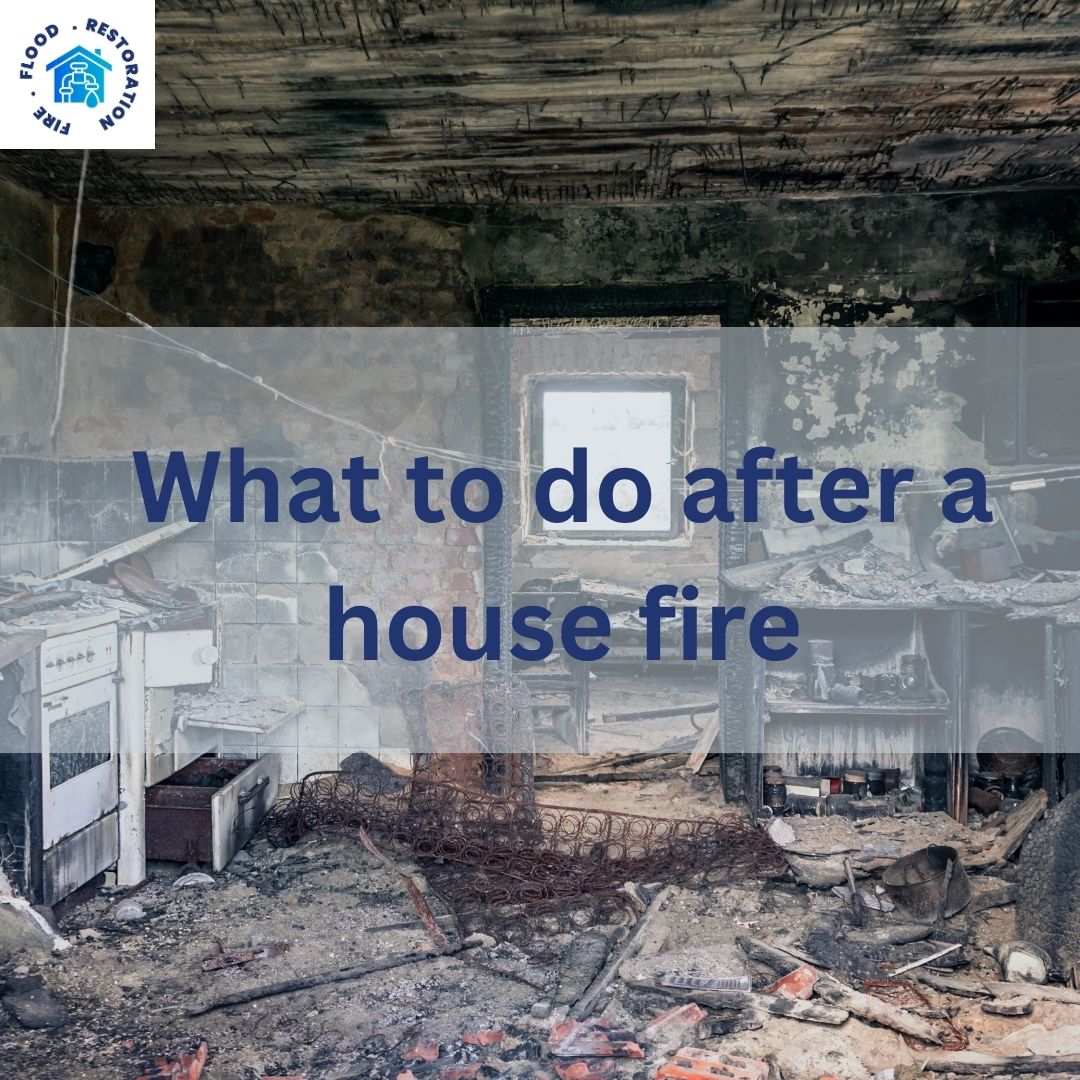
Knowing what to do after a house fire can protect your family, your belongings and your insurance claim. The hours that follow are stressful and hard to think through, so we have put the steps in the order you should tackle them. Work through them one at a time, and call us any time of day or night if you want a hand.
The Quick Checklist
| Step | What to do | When |
|---|---|---|
| 1 | Get everyone and the pets out, then call emergency services | Immediately |
| 2 | Stay out until the fire department gives the all-clear | Until told it is safe |
| 3 | Check on your family’s health and find somewhere to sleep | First few hours |
| 4 | Photograph and film the damage before anything is moved | Once it is safe to enter |
| 5 | Call your insurer and get a claim reference | Same day |
| 6 | Secure the property against rain, wind and theft | Within 24 hours |
| 7 | Understand the hidden damage (soot, smoke, water) | Within 24 hours |
| 8 | Call a professional fire and smoke restoration team | Within 24 hours |
Step 1: Get Out and Call for Help
People and pets come first. Do not go back inside for documents, phones or valuables. In Cape Town, call the City’s emergency number on 021 480 7700, or dial 112 from a cellphone. Once you are safe, check that neighbours are out too.
Step 2: Wait for the All-Clear
A fire that looks out can still have hot spots inside walls and ceilings. Floors, roofs and electrical wiring may also be weakened. Do not go back in until the fire department tells you it is safe, even for a quick look.
Step 3: Look After Your Family First
Smoke affects people even if they were never near the flames. See a doctor if anyone is coughing, dizzy, short of breath or has a sore throat or eyes. Then work out where everyone will sleep tonight. If you stay somewhere else, keep every receipt, because your insurer may ask for them.
Step 4: Document Everything Before You Touch It
Once you are allowed back in, take photos and videos of every room, including the ceilings and the outside of the house. Then make a list of damaged items with approximate values.
Do not throw anything away yet. Your insurer or loss adjuster may want to see damaged items first.
Step 5: Call Your Insurer the Same Day
Phone your insurer or broker as early as you can. Ask for a claim reference number and what your policy covers for emergency repairs and temporary accommodation. Also ask whether you need approval before any work starts.
Avoid permanent repairs until you have the insurer’s go-ahead in writing. If you suspect the fire was started on purpose, or there was theft, report it to the police and get a case number.
Step 6: Secure the Property
An open, fire-damaged house is an easy target for further damage, especially in Cape Town. Winter rain and strong southeaster winds can blow straight through a damaged roof or broken window and cause a second wave of damage on top of the fire.
Temporary measures include:
- Boarding up broken windows and doors
- Covering roof openings with a tarp
- Locking up what you can
- Switching off water and gas at the mains, if it is safe
Do not switch the electricity back on until a qualified electrician has checked the house.
Step 7: Know What Damage You Cannot See
Fire damage goes well beyond the burnt areas. Here is what is usually hiding in the rest of the house:
| Type of damage | What it does | Why it cannot wait |
|---|---|---|
| Soot | Leaves an acidic residue on walls, ceilings, metal and fabric | The longer it sits, the harder it is to remove and the more it can stain or corrode |
| Smoke odour | Soaks into walls, carpets, curtains, insulation and ducts | Smell gets locked in and returns on hot days if only masked |
| Firefighting water | Saturates plasterboard, carpets, timber and insulation | Mould can start growing in as little as 48 hours |
| Heat and structural damage | Weakens ceilings, roof timbers and wiring | Needs a professional assessment before anyone relies on it |
Step 8: Call a Professional Restoration Team
Fire, smoke and water damage often show up together, so it helps to have one team that handles all three. A proper restoration visit usually covers:
- A full inspection of the damage and a plan of action
- Board-up and temporary protection
- Water extraction and drying
- Soot and smoke removal from surfaces
- Cleaning of your belongings, furniture and fabrics
- Odour neutralisation
- Guidance on repairs and rebuild work
What NOT to Do After a House Fire
| Avoid this | Why |
|---|---|
| Wiping soot with a dry cloth | It smears the soot deeper into the surface |
| Eating food that was near the fire | Heat, smoke and soot can contaminate it, even in sealed containers |
| Switching on wet or fire-affected appliances | Risk of electric shock or another fire |
| Washing walls or shampooing carpets yourself | Can set stains and push smoke residue in deeper |
| Throwing things away before photographing them | You may weaken your insurance claim |
How Long Does Fire Damage Restoration Take?
Every fire is different, so treat these as rough ranges rather than promises.
| Phase | Typical timeframe |
|---|---|
| Assessment and board-up | Within the first day or two |
| Water removal and drying | A few days, longer for heavy water damage |
| Soot and smoke cleaning | Several days to a couple of weeks |
| Repairs and rebuild | Several weeks to a few months |
Fire Damage Help Across Cape Town
We serve homes in the City Bowl and Atlantic Seaboard, Northern Suburbs, Southern Suburbs, Blaauwberg and West Coast, Helderberg and the South Peninsula. If you want to speak to the City about disaster support, the Disaster Risk Management Centre is on 080 911 4357.
Why Choose Rapid Restore 247
- Always on: We answer emergency calls 24 hours a day, 7 days a week.
- One team for fire, smoke and water: You do not have to coordinate several contractors while you are dealing with the shock of a fire.
- Cape Town focused: We know the suburbs, the weather and the older and newer building types around the city.
- Insurance friendly: We are happy to work alongside your insurer or loss adjuster and keep records of the work we do.
- Clear communication: We explain what we found, what needs doing first and what can wait.
If your home has been hit by fire, call us on 067 918 2758 or request a call back on our website. We will help you work out the next step, even if you are not sure you need us yet.
Frequently Asked Questions
How soon should I call my insurer after a house fire?
As soon as it is safe, and ideally the same day. Many policies expect prompt notification, so check your policy wording and ask your insurer what you need to do before starting any repairs.
Can I stay in my home after a fire?
Not until the fire department says the structure is safe and a qualified electrician has checked the wiring. Even then, lingering smoke and soot can affect air quality, so many families stay elsewhere until cleaning is done.
Is it safe to clean soot myself?
Not really. Soot is tricky to remove and easy to spread, and wiping it can make stains permanent. Leave heavy cleaning to professionals, and wear gloves and a mask if you must handle anything.
What should I do with food and belongings after a fire?
Throw away food exposed to heat, smoke or firefighting water, but photograph it first for your claim. Keep other damaged items until your insurer or loss adjuster says you can dispose of them.
How much does fire damage restoration cost in Cape Town?
There is no fixed price, because it depends on the size of the home and how far the smoke, soot and water have spread. A professional inspection is the only way to get an accurate quote. If you are insured, your policy may cover some or all of the work.