
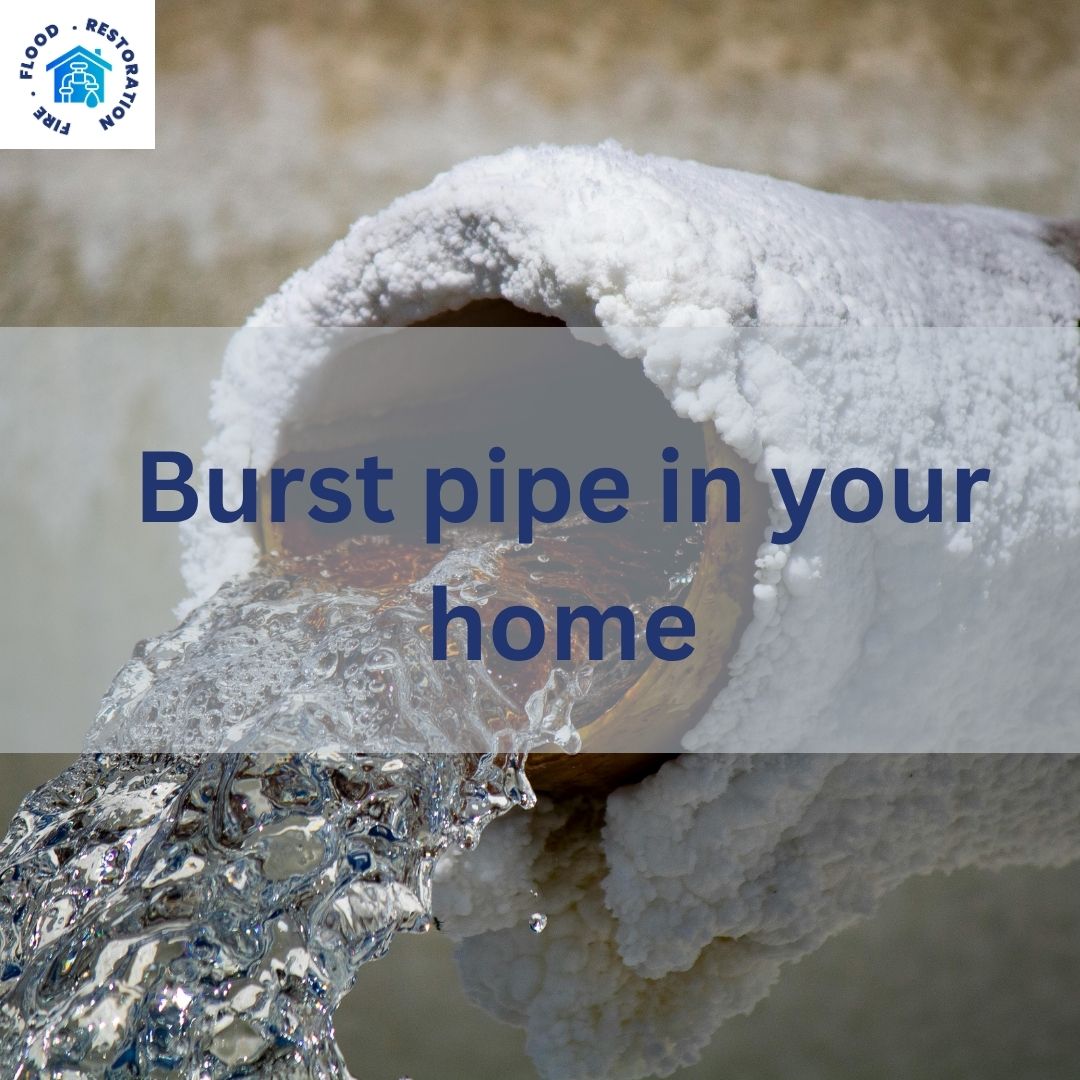

Burst pipe in your home: how to stop the damage before help arrives
A burst pipe in your home does not wait for a convenient time. Water can soak through floors, ceilings and cupboards within minutes, and what you do before help arrives often decides whether you are mopping up or rebuilding. This guide walks Cape Town homeowners through what to do, in the right order, and what to do once the water is off.
What to do when a pipe bursts: 7 steps
- Shut off the main water supply. Close your stopcock by turning it clockwise. This is the most important step, because every minute the water runs adds to the damage.
- Switch off the electricity near the water. If water is close to plug points, lights or the distribution board, turn the power off at the DB. If the board is wet, or you would have to stand in water to reach it, stay out and call for emergency help.
- Switch off the geyser. Do this at the DB if the burst is on a hot water pipe or water is coming through the ceiling. Many Cape Town geysers sit in the roof space.
- Open a tap to drain the system. Open the lowest tap in the house to release the water and pressure left in the pipes.
- Move valuables and lift soft furnishings. Take electronics, rugs, books and papers out of the wet area.
- Contain what you can. Use buckets, towels and a mop. Stay out from under any sagging or bulging ceiling, because waterlogged boards can come down suddenly.
- Take photos and video before you clean up. Record the burst, the wet areas and your damaged belongings for your insurer. Then call a plumber and a restoration team.
How to find your stopcock
Many people only start looking for it while water is pouring through the ceiling. Here is where to check:
| Property type | Where to look |
|---|---|
| Freestanding house | The water meter box near the pavement or boundary wall. The shut-off valve sits next to the meter. Some homes also have an internal valve under the kitchen sink or near an outside tap. |
| Sectional title or complex | An isolation valve for your unit, often in a kitchen or bathroom cupboard. If there is only a shared mains valve, contact your body corporate or managing agent. |
| Older home | A small brass tap near the boundary, sometimes buried under grass, gravel or paving. |
Test your valve this week. Old valves can seize, and an emergency is the wrong time to find out. If you cannot find it or it will not turn, call the City of Cape Town’s water and sanitation line rather than forcing the City’s own meter valve.
Why pipes burst in Cape Town homes
Burst pipes rarely come out of nowhere. Common causes in local homes include:
- Ageing pipework. Many older homes in established suburbs still have galvanised steel pipes that corrode from the inside over decades.
- High water pressure. Constant strain wears out joints and fittings. A pressure-reducing valve helps protect the whole system.
- Roof-space plumbing. A failed geyser pipe in the ceiling floods the rooms below.
- Temperature swings. Wet, cold winter spells stress weak joints, especially on exposed or poorly insulated pipes.
- Pressure surges. When power returns after an outage, pumps restart and pressure can spike in already weakened pipes.
- Poor installation or old repairs. Weak joints often fail under normal pressure.
Temporary fixes: what helps and what doesn’t
A pipe repair clamp, a rubber sheet wrapped tightly and secured with hose clamps, or plumber’s tape can slow a leak while you wait. These are stop-gaps only. If the burst is at a joint, on a pressurised line feeding the geyser, or the patch will not hold, stop and wait for a professional. The pipe failed for a reason, and that reason is still there.
Plumber or restoration team: who do you call?
Most people call a plumber and stop there. That fixes the pipe, but not the wet house.
| Job | Who handles it |
|---|---|
| Stopping the leak and repairing the pipe | A plumber |
| Removing standing water | A water extraction team |
| Drying walls, floors and ceilings | A restoration team with dehumidifiers and drying equipment |
| Finding hidden moisture behind walls | A moisture survey |
| Cleaning, deodorising and reducing mould risk | A restoration team |
| Proof of the damage for your insurer | Your photos, plus a written note from the plumber |
| Time | What typically happens |
|---|---|
| First hour | Water spreads under skirting boards and into carpets, cupboards and insulation. |
| Within 24 hours | Wood swells, paint bubbles, ceiling boards stain and sag, and a damp smell starts. |
| 24 to 48 hours | Mould can begin to grow on damp materials. |
| Several days | Floors warp, plaster crumbles, and electrical faults become more likely. |
Cape Town’s humid winters slow natural drying, so open windows and a mop are rarely enough. Standing water needs to be removed properly, and the structure needs to be dried.
Burst pipes and insurance in South Africa
Many home policies cover sudden and accidental water damage, but cover depends on your policy and the cause. Insurers often look at whether the damage was sudden or gradual, how well the plumbing was maintained, and how quickly you reported it. To support a claim:
- Photograph and film the damage before cleaning up.
- Keep receipts for emergency costs.
- Ask your plumber for a written note of the cause and location of the burst.
- Contact your insurer as soon as you can.
Check your policy wording, because terms differ between insurers.
Why Choose Rapid Restore 247
Stopping the water is half the job. Drying the property properly is the other half, and that is where we come in.
- 24/7 emergency response across Cape Town and surrounds, at any hour.
- Over 10 years of experience in water damage restoration.
- One team for the whole job: burst pipe repairs, water extraction, drying and dehumidification, mould and cleaning.
- Moisture surveys to find hidden water in walls and ceilings, so nothing gets sealed up wet.
- Local knowledge of Cape Town homes, from older houses with ageing pipework to apartments and complexes.
Burst pipe right now? Call Rapid Restore 247 on 067 918 2758 and tell us what is happening. Once your water is off, we take it from there.
How to prevent the next burst pipe
- Find and test your stopcock so you can act in seconds.
- Do a meter test. Close all taps and appliances, note your water meter reading, then check again after an hour or two. If it has moved, you may have a hidden leak.
- Check your water pressure. Ask a plumber to fit a pressure-reducing valve if it runs high.
- Replace old galvanised or corroded pipework before it fails.
- Service your geyser and check the pipes in the roof space.
- Watch for early warning signs: damp patches, a rising water bill, rusty water, falling pressure, or the sound of running water when everything is off.
Frequently Asked Questions
What should I do first if a pipe bursts in my house?
Shut off the main water supply at your stopcock. Then switch off electricity near the water, switch off the geyser if hot water is involved, open a tap to drain the pipes and move valuables out of the way.
Do I need to switch off the electricity?
Yes, if water is near plug points, lights, appliances or the DB board. If you cannot reach the board without standing in water, stay out of the area and call an emergency electrician or restoration team.
Is a burst pipe covered by home insurance in South Africa?
Often, if the damage was sudden and accidental, but it depends on your policy and the cause. Insurers may reject claims linked to neglected leaks or poor maintenance. Report the damage quickly and keep photos and receipts.
How quickly can mould grow after a burst pipe?
Mould can start growing on damp materials within 24 to 48 hours. Removing standing water and drying walls, floors and ceilings quickly lowers the risk.
Should I call a plumber or a water damage company first?
Call both as soon as the water is off. A plumber repairs the pipe, and a restoration team removes the water and dries the structure. Rapid Restore 247 can handle both in one visit.